Canva Free Download Guide for Windows Mac Android and iPhone
Creating attractive graphics used to require expensive software and advanced design skills. Today, online design platforms have made it much easier for beginners, students, creators, marketers, and businesses to produce professional-looking visuals. One of the most popular options is Canva, which provides a simple interface and a large collection of templates and design resources.
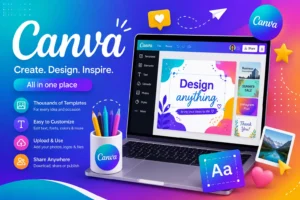
This guide explains how to use the platform across Windows, Mac, Android, and iPhone. It also covers important features, installation methods, account setup, free and paid options, and practical tips for getting better results.
What Is Canva?
Canva is a graphic design platform that allows users to create visual content without needing extensive professional design experience. It can be used for social media posts, presentations, posters, flyers, invitations, resumes, thumbnails, documents, and many other projects.
The platform combines templates, text tools, images, illustrations, shapes, and other design elements in one workspace. Users can begin with a blank project or customize an existing template according to their requirements.
For beginners, one of its biggest advantages is its straightforward editing environment. Most elements can be moved, resized, edited, or replaced using simple controls.
Canva Free Download Options
The service can be accessed in different ways depending on your device. Windows and Mac users can work through a web browser or use the desktop application where supported. Android and iPhone users can install the official mobile application from their respective app stores.
Before installing any application, it is better to use an official source. Avoid downloading modified or unofficial versions because they may contain unwanted software, security risks, or altered files.
Windows
Windows users can access the platform through a modern web browser. This option does not require a traditional software installation and can be convenient when you only need occasional access.
If a desktop application is available for your Windows version, you can obtain it through an official source and follow the installation instructions. After installation, sign in to your account and start creating projects.
Mac
Mac users have similar options. You can use a compatible browser or install the official desktop application when available for your Mac.
A browser-based workflow can be particularly useful if you regularly switch between different computers because your projects can remain associated with your account rather than being stored only on one machine.
Android
Android users can look for the official application through Google Play. Check the developer information before installing to make sure you are downloading the legitimate application.
Once installed, open the app, sign in or create an account, and choose the type of project you want to make. The mobile interface is designed for touch controls, making it convenient for quick edits.
iPhone
iPhone and iPad users can search for the official application through Apple’s App Store. After installation, sign in with an existing account or create a new one.
The mobile version is useful when you need to make quick changes while away from your computer. Designs can be edited, saved, and shared from a mobile device depending on the available features and account configuration.
How to Create an Account
Getting started is relatively simple. First, open the official website or application and select the registration option.
You may be able to register using an email address or an available third-party sign-in method. Choose an account method that you can access easily because you may need it when recovering your account later.
After signing in, you can select the type of work you are interested in. This can help personalize the experience and make relevant templates easier to discover.
How to Create Your First Design
Creating a project is straightforward, even if you have never used a graphic design platform before.
Step 1: Choose a Design Type
Start by selecting a project category. You might choose a presentation, social media graphic, poster, document, or another format.
Choosing the correct dimensions at the beginning can save time later.
Step 2: Select a Template
Templates can provide a useful starting point. Instead of designing everything from an empty page, choose a layout that matches the style of your project.
You can then change the text, images, colors, spacing, and other elements.
Step 3: Customize the Content
Replace the sample text with your own information. Upload your own images when appropriate and adjust the layout so that the most important information is easy to notice.
Try not to overcrowd the design. A simple layout with clear spacing often looks more professional than one containing too many elements.
Step 4: Review the Design
Before exporting your project, check spelling, alignment, image quality, and spacing. Look at the design on the device or screen where your audience is most likely to see it.
A final review can prevent small mistakes from appearing in your finished file.
Important Features
The platform offers numerous tools that can help beginners and experienced creators.
Templates
Templates are useful for quickly creating professional-looking projects. They are available for different purposes, including presentations, social media content, posters, invitations, and business materials.
Instead of copying a template exactly, consider using it as inspiration and adapting it to your own content.
Drag-and-Drop Editing
The drag-and-drop interface makes it easy to move objects around a page. Text boxes, graphics, photos, and other elements can generally be positioned without complicated commands.
This approach makes the platform accessible to people who are not familiar with professional design applications.
Text Tools
Typography plays an important role in visual communication. You can select different fonts, sizes, alignments, and text treatments to create a hierarchy within your design.
For example, a large heading can introduce the topic while smaller text provides supporting information.
Image and Graphic Elements
Design projects can include photographs, illustrations, icons, shapes, and other visual elements. Some resources may be available for free, while others can require a paid plan or additional licensing depending on the item.
Always check the usage terms for assets when creating commercial material.
Free and Paid Plans
A free account can provide access to a substantial collection of design tools and resources. However, some advanced features, premium templates, stock assets, and other capabilities may require a paid subscription.
The best choice depends on your needs. Someone creating occasional school projects may find the free option sufficient, while a professional designer or marketing team may benefit from additional features.
Before subscribing, review the current plan details and determine whether the additional tools justify the cost.
Using Canva for Social Media
Social media creators can use the platform to prepare content for different networks.
You can create posts, stories, banners, thumbnails, advertisements, and other visual materials. Templates can help maintain consistent dimensions and layouts.
Creating Better Social Posts
Keep your primary message easy to understand. Avoid using too many fonts or competing visual elements.
Use consistent typography and visual branding when creating multiple posts for the same business or project. This helps audiences recognize your content more easily.
Using Canva for Students
Students can use the platform for presentations, assignments, posters, study materials, certificates, and other educational projects.
Instead of creating every slide manually, students can begin with a suitable template and modify it according to their topic.
However, templates should support the student’s own ideas rather than replace original research and writing.
Using Canva for Business
Small businesses and independent professionals can use the platform for marketing materials, presentations, brochures, social media graphics, announcements, and internal documents.
A consistent visual identity can make business communications look more organized.
Branding Tips
Choose a limited set of fonts and colors and use them consistently. Include your logo where appropriate, but avoid making every design overly promotional.
A clean and recognizable visual style can make business content easier for customers to identify.
Advantages and Limitations
Like any design platform, Canva has both strengths and limitations.
Advantages
- Beginner-friendly interface
- Large selection of templates
- Browser and mobile access
- Useful drag-and-drop editing
- Many project categories
- Convenient sharing and collaboration features
- Suitable for personal and professional projects
Limitations
- Some resources require payment
- Advanced professional workflows may require specialized software
- Internet access may be important for many features
- Template-based designs can sometimes look similar
- Some advanced capabilities may vary by plan or device
Understanding these limitations can help you decide whether the platform matches your requirements.
Tips for Better Designs
You do not need to be a professional designer to create attractive visuals. A few basic principles can make a significant difference.
Keep the Layout Simple
Avoid filling every available space. Empty space can improve readability and make important elements stand out.
Use Consistent Fonts
Using too many fonts can make a design look unorganized. Two or three complementary typefaces are usually enough for many projects.
Choose Colors Carefully
Select colors that work well together and provide sufficient contrast. Text should remain easy to read against its background.
Prioritize Readability
A beautiful design is not useful if people cannot understand its message. Make headings prominent and supporting information readable.
Use High-Quality Images
Blurry or stretched images can reduce the quality of your final design. Whenever possible, use appropriately sized and high-resolution images.
Is Canva Suitable for Beginners?
Yes. The platform is particularly useful for people who want to create attractive graphics without learning complicated professional design software.
Its templates and simple editing controls reduce the learning curve. Beginners can start with small projects and gradually learn more advanced techniques.
As users gain experience, they can move beyond templates and develop their own layouts, visual systems, and branding styles.
Frequently Asked Questions
1. Is Canva free to use?
Yes. There is a free version that provides access to various design tools and resources. Some premium content and advanced features require a paid plan.
2. Can I use Canva on Windows?
Yes. Windows users can access the service through a compatible web browser and may also have access to an official desktop application depending on current availability and system requirements.
3. Can I use Canva on Mac?
Yes. Mac users can work through a supported browser or use the official desktop application when available.
4. Is Canva available for Android phones?
Yes. Android users can find the official application through Google Play and use it to create and edit designs on compatible devices.
5. Can I use Canva on an iPhone?
Yes. iPhone users can access the official application through the Apple App Store. The mobile version provides tools for creating and editing many types of projects.
6. Do I need design experience?
No. The platform is designed to be accessible to beginners. Templates and simple editing controls can help new users create projects without extensive design knowledge.
7. Can I create presentations with Canva?
Yes. Presentations are one of the common project types available. You can create slides, add text and graphics, and customize layouts according to your topic.
8. Can I use Canva for business projects?
Yes. Businesses can use it for social media graphics, presentations, promotional materials, documents, and other visual content. Check the applicable licensing terms for assets used in commercial work.
9. Is Canva better than professional design software?
It depends on your needs. Beginners and users who need quick visual content may prefer its simplicity, while professional designers working on complex projects may need specialized applications with more advanced controls.
10. Should I use the free or paid version?
The free version can be enough for occasional users. If you regularly need premium assets or advanced features, a paid plan may provide additional value. Compare the current features and pricing before subscribing.
Conclusion
Creating professional-looking graphics no longer requires years of design experience. Canva provides an accessible environment where beginners, students, creators, and businesses can develop a wide variety of visual projects.
Whether you are working on Windows, Mac, Android, or iPhone, you can choose a workflow that fits your device and requirements. Start with simple projects, experiment with templates, learn basic design principles, and gradually develop your own creative style.
For the safest experience, always obtain applications and updates through official sources and review the current terms, features, and licensing options before using the service for personal or commercial work.